China’s Most Un-Chinese Place: A Journey into Ningxia’s Desert Heart

When people imagine traveling in China, familiar images tend to surface: glittering skylines, neon-lit megacities, misty mountains, and ancient temples tucked into postcard-perfect landscapes. But in China’s far northwest, there is a place that quietly dismantles all of those assumptions. This is not southern waterways or imperial capitals. It is a land of deserts and silence, where the Yellow River cuts through sand, and history lingers without spectacle. This place is Ningxia.

Often described as China’s most un-Chinese destination, Ningxia earns that title not through exaggeration, but through contrast. And once you arrive, the description feels surprisingly precise.


Geography in Contrast | When China Turns to Desert

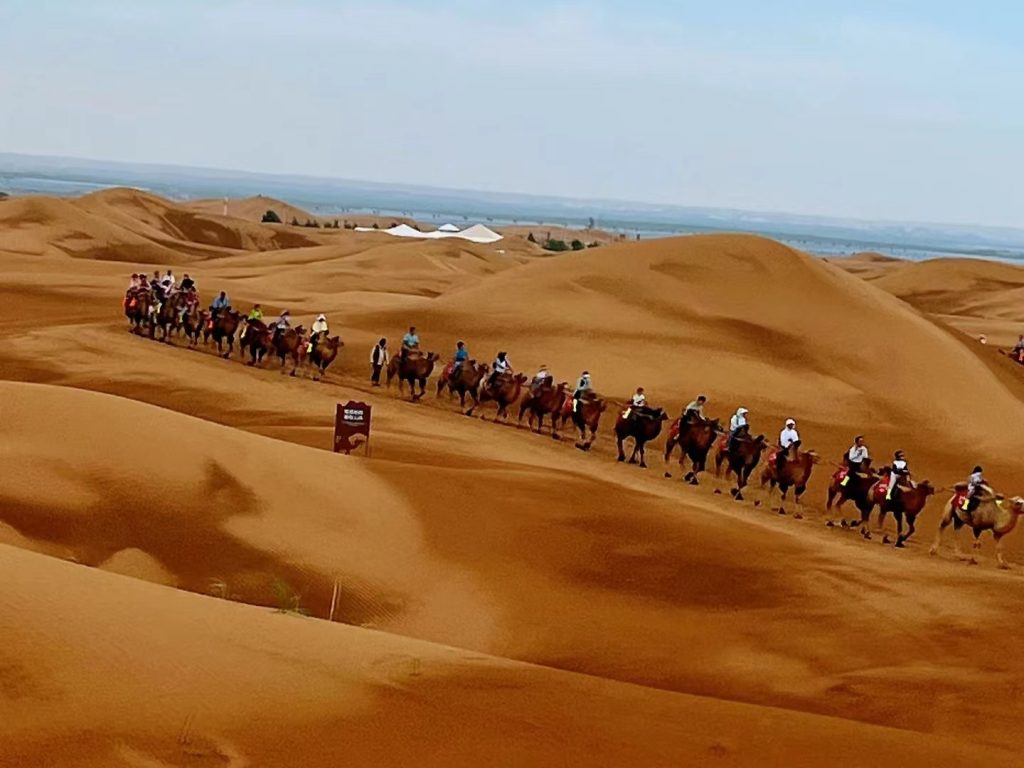
In Zhongwei, the Tengger Desert unfolds without warning. Dunes rise and fall in soft waves, etched by wind and light. The landscape feels stripped down to its essentials—sand, sky, and space. Then comes the real surprise. The Yellow River, China’s most storied waterway, slices directly through the desert. On one side: shifting dunes. On the other: dense, slow-moving water. Traditional sheepskin rafts drift quietly downstream, as if time itself has loosened its grip.
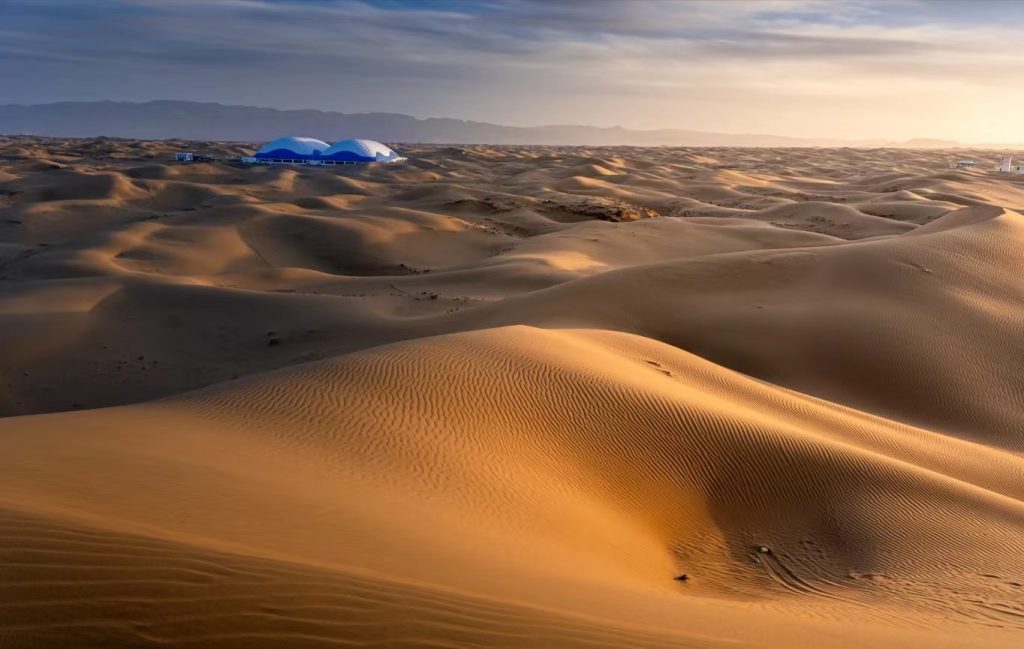
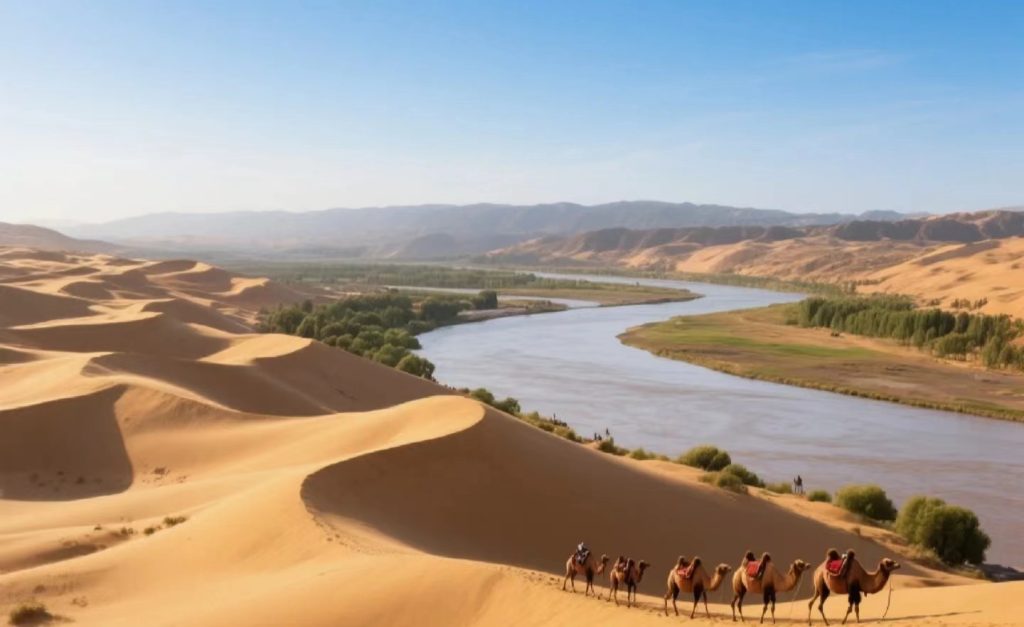
This is not the China most travelers expect. The scenery evokes Morocco’s Sahara, Central Asia’s remote frontiers, or even the national parks of the American Southwest. That sense of unfamiliarity is precisely Ningxia’s appeal. It reminds you how vast—and varied—China truly is. For travelers seeking off the beaten path China travel, this desert-meets-river landscape alone is reason enough to come.


Civilization in Contrast | A Forgotten Empire in the Sand

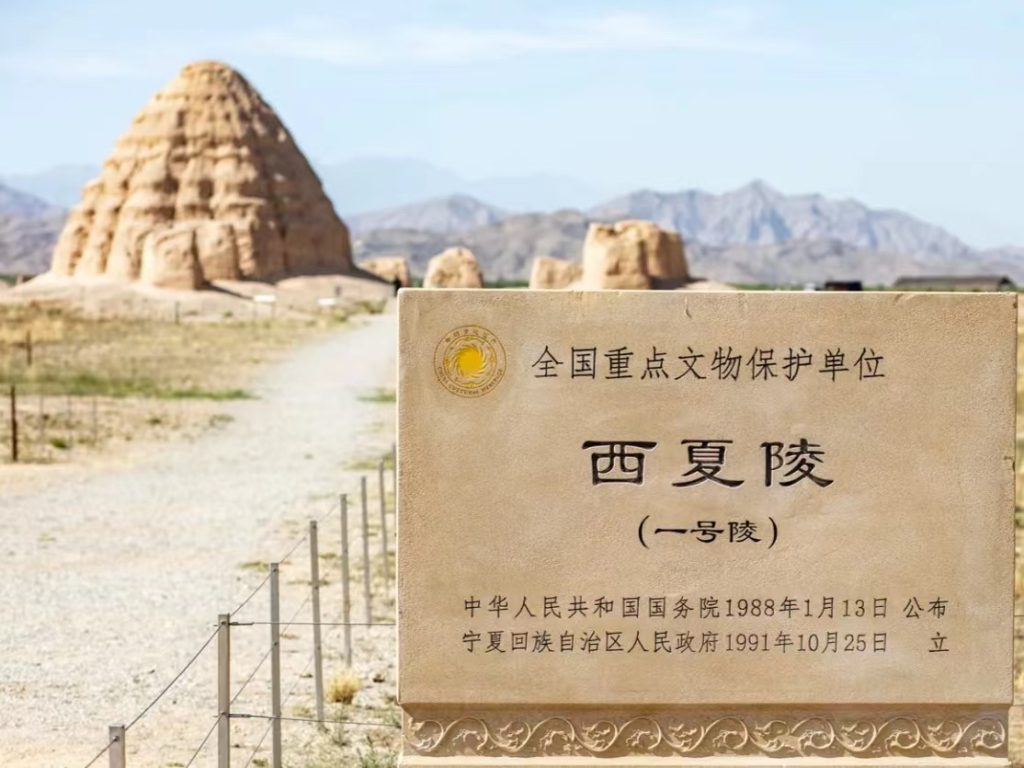
If the desert delivers visual shock, Ningxia’s history offers something deeper. Outside Yinchuan, beneath the rugged Helan Mountains, a series of earthen mounds rise quietly from the plain. These are the Western Xia Tombs, remnants of a once-powerful dynasty that has nearly vanished from mainstream history.
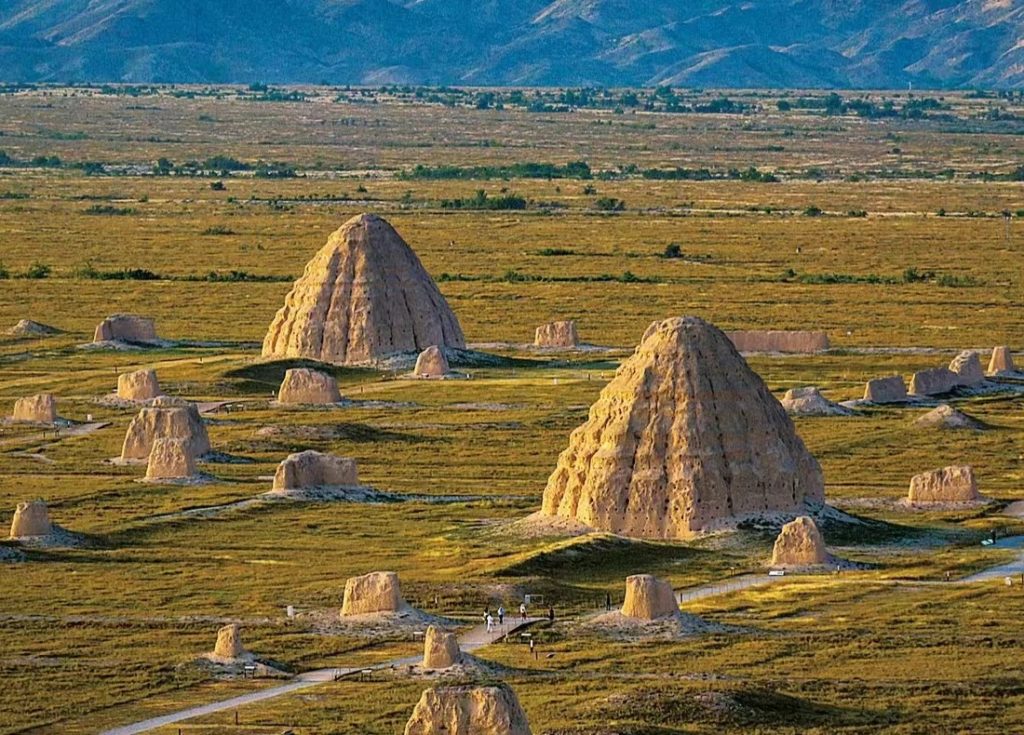
Founded by the Tangut people, the Western Xia Empire once rivaled the Song, Liao, and Jin dynasties and controlled critical Silk Road routes. Yet it left behind no grand palaces, no widely read chronicles—only these silent tombs, slowly reclaimed by wind and dust.

For Western travelers, this story is deeply compelling: a Chinese empire that existed, thrived, and then slipped almost entirely out of global awareness. Walking among the tombs, surrounded by emptiness and sky, the weight of time feels tangible. There are no crowds here. No performances. Just history, eroding quietly.


Atmosphere in Contrast | Space, Silence, and Stillness

What makes Ningxia feel least like China may not be its landscapes or its lost dynasties—but its pace. There is no urban rush here. No constant stimulation. Nights in the desert reveal a sky heavy with stars, the Milky Way clearly visible. Days on the open plain are marked by wind, light, and an acute awareness of your own presence.
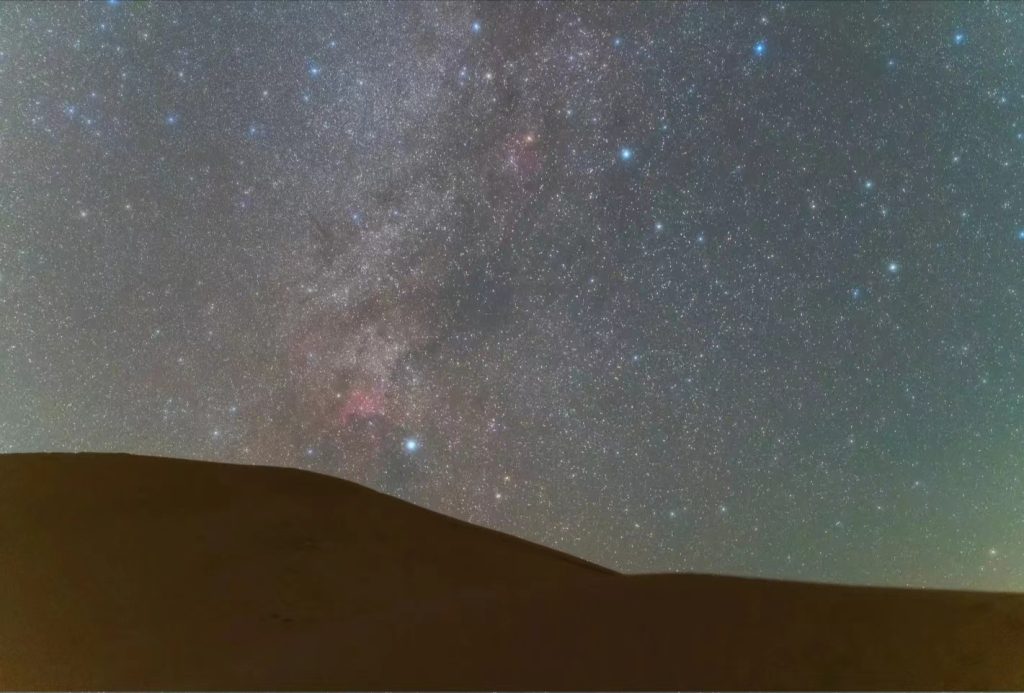
This atmosphere resonates with today’s experienced travelers—those who have moved beyond checklist tourism and are searching for solitude, rawness, and places not yet polished for mass consumption. In Ningxia, travel becomes a form of return: to nature, to slowness, to a more elemental way of seeing the world.


Why Ningxia Deserves Rediscovery

Ningxia is not a destination designed to impress at first glance. It does not perform. It does not compete for attention. Yet it leaves a lasting mark. It challenges the idea that China is a single story. Beyond high-speed rail, skyscrapers, and digital convenience, there still exists a China that is vast, ancient, and unhurried.

If you’ve already explored Beijing, Shanghai, Guilin, or Xi’an—and believe you understand China—Ningxia quietly invites you to reconsider. It may never top the typical China travel guide lists, but it could become the journey you remember most. Here, China is no longer what you imagined it to be. And that is exactly the point.
Unveiling Ningxia: 8 Breathtaking Places You Can’t Miss in China

Tucked away between the Yellow River and the Helan Mountains, Ningxia is one of China’s most underrated yet unforgettable destinations. Often overshadowed by big names like Beijing or Xi’an, this small autonomous region in northwest China offers a captivating blend of ancient history, desert adventure, and serene natural beauty.

Whether you’re chasing sunsets over Yuehai Lake, tracing the footsteps of Silk Road dynasties, or simply craving a slower, more soulful side of China, Ningxia welcomes you with open arms and endless horizons. Let’s journey through eight breathtaking places that reveal the soul of this desert jewel.

1. Lanshan Park — The Sunset Sanctuary Over Yinchuan

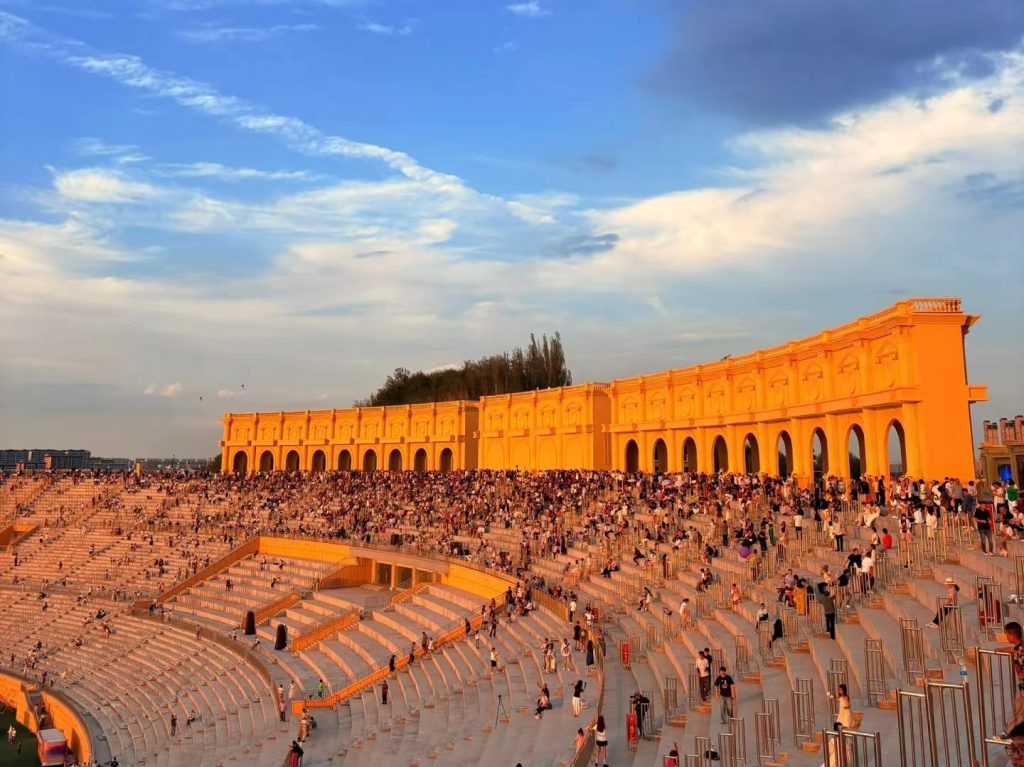
Perched beside the serene Yuehai Lake, Lanshan Park has become a social media sensation for its cinematic sunsets. The park’s centerpiece resembles an ancient Roman amphitheater, complete with grand arches and tiered stone seating that gently slopes toward a lush, emerald-green field.

As twilight descends, the soft orange glow of dusk brushes against the European-style architecture, painting the sky with a romantic warmth. Locals gather to capture the perfect sunset shot, children chase bubbles across the plaza, and travelers sit back on the steps, soaking in the golden light shimmering over the water—a moment that feels like time standing still.

2. Zhenbeibao Western Film Studio — Where Chinese Cinema Comes Alive

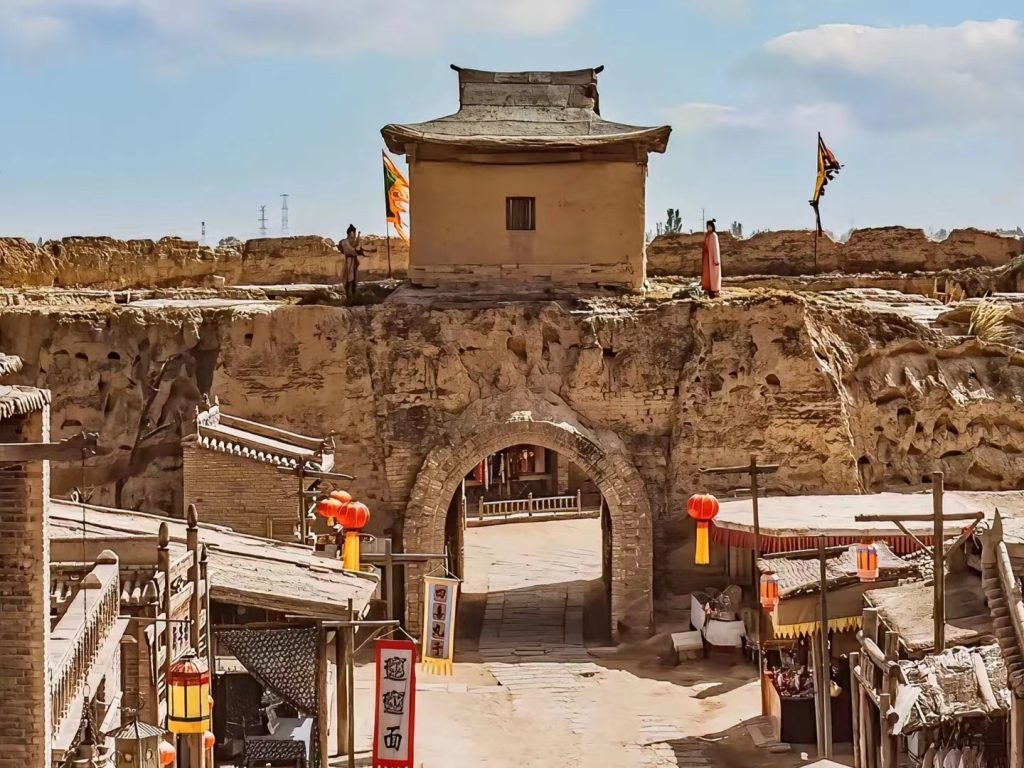
If you’re a film buff or simply curious about China’s movie heritage, Zhenbeibao Western Film Studio is a must-see. This sprawling set has been the backdrop for iconic Chinese films such as A Chinese Odyssey, Red Sorghum, and Ashes of Time.

Walking through its weathered city walls and ancient courtyards feels like stepping into the scenes of these legendary movies. The studio’s rugged beauty—its crumbling ramparts and sunbaked earth—captures the cinematic soul of northwestern China, where every corner whispers stories from the silver screen.

3. Helan Mountain Rock Art — Messages from 5,000 Years Ago

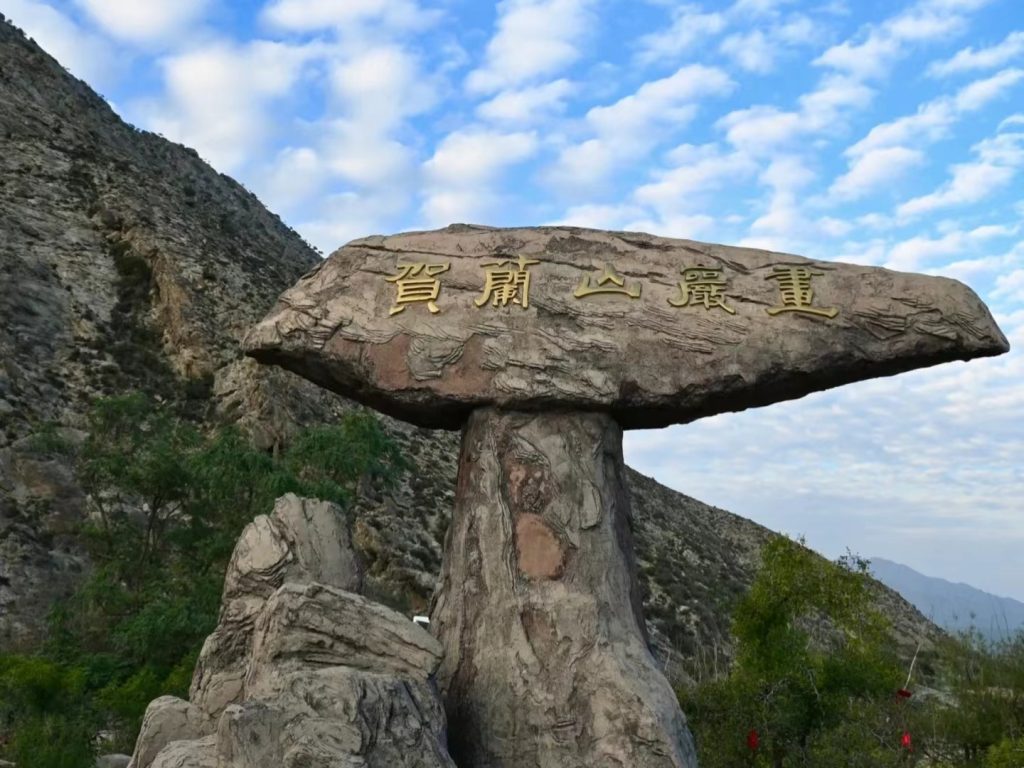
Deep within the Helan Mountains, ancient rock carvings tell tales from long before recorded history. These Neolithic petroglyphs, etched 3,500 to 5,000 years ago, depict animals, celestial symbols, and shamanic figures—primitive yet powerful expressions of early nomadic life in China.

Known as the “Art Gallery of China’s Nomads,” this UNESCO-listed site is a time capsule of human imagination. The “Sun God” carving is one of its most mysterious treasures. If you’re lucky, you might spot the mountain’s quiet guardian—the nimble blue sheep—among the cliffs.

4. Western Xia Imperial Tombs — The Pyramids of the East

The Western Xia Imperial Tombs recently joined UNESCO’s World Heritage List, marking China’s 60th inscription. Often called the “Oriental Pyramids,” these monumental burial sites were built for the emperors of the Western Xia dynasty (1038–1227).

Spread across the desert foothills, the nine imperial mausoleums and over 270 satellite tombs reveal the power and mystery of this vanished kingdom. Standing among the weathered ruins—sand swirling around eroded towers—you can almost hear echoes of an empire long forgotten, whispering its stories into the desert wind.

5. Shuidonggou Site — Echoes from the Stone Age

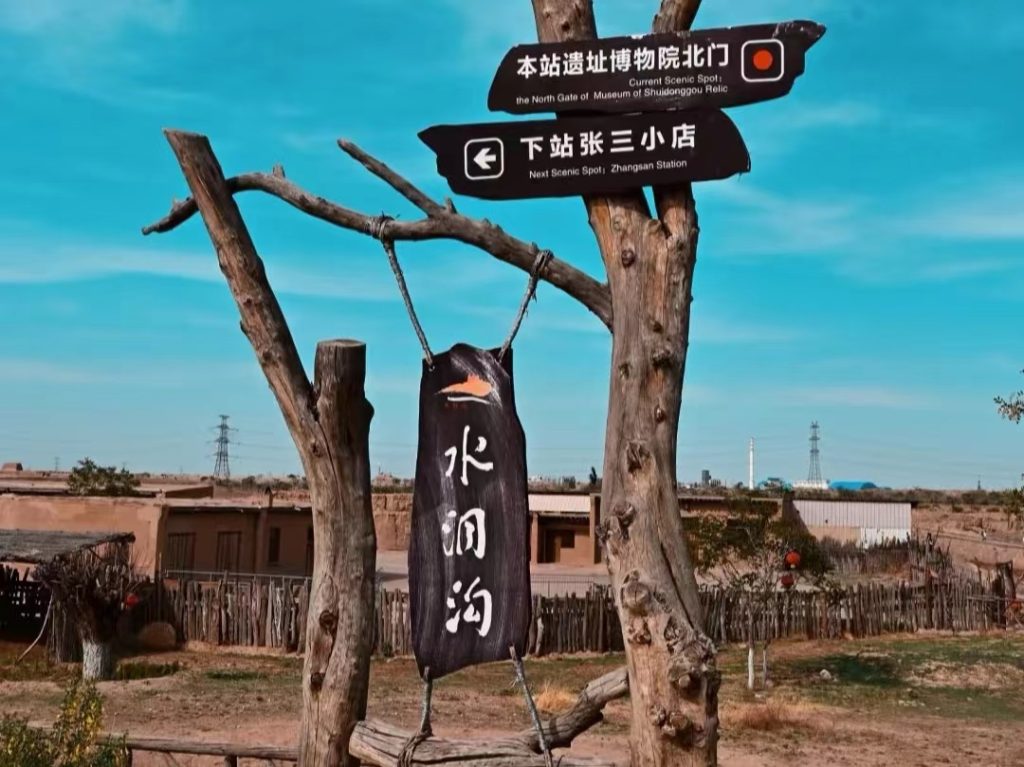
Travel back 40,000 years at Shuidonggou, one of China’s earliest prehistoric sites. Here, travelers can marvel at Yadan landforms, explore cliffside fortresses, and walk through ancient defense tunnels that once guarded the frontier.

It’s a rare place where geology, archaeology, and human history intertwine. Imagine life when early humans roamed this land, hunting and carving tools, while millennia later, Ming dynasty soldiers fortified the region as part of China’s Great Wall defense. Every layer of soil holds a story.

6. Sand Lake — Where Desert Meets Water

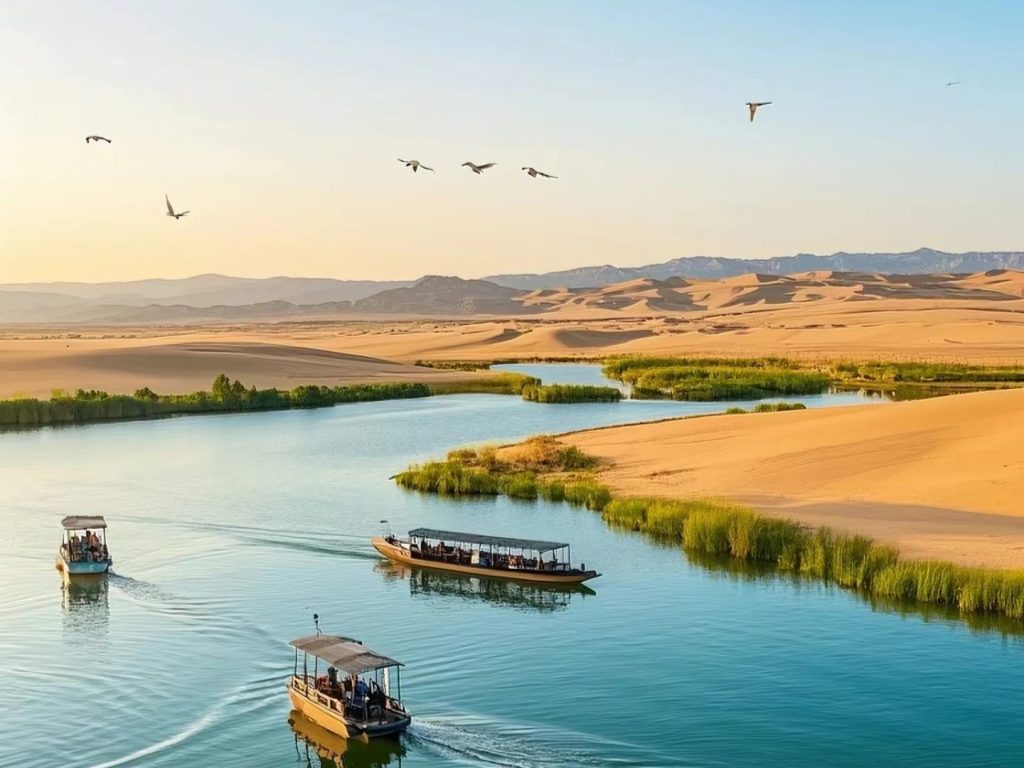
One of China’s most mesmerizing natural wonders, Sand Lake (Shahu) is where golden dunes meet sapphire waters in a surreal dance of contrasts. Here, soft waves lap against sweeping desert ridges, creating a scene so beautiful it feels otherworldly.

Visitors can drift across the lake in a boat, spotting migratory birds gliding overhead, or ride camels through the dunes as the setting sun turns the sands into glowing rivers of light. When night falls, the stars reflect across the water and sand, merging heaven and earth into a single dreamlike panorama.

For anyone seeking a desert adventure in China, Sand Lake offers both serenity and spectacle—nature’s poetry written in gold and blue.

7. Shapotou — The Desert Playground of the Yellow River

Nicknamed “China’s Desert Disneyland,” Shapotou is where adrenaline meets awe. The vast dunes and rolling sand waves frame the mighty Yellow River, creating a stunning S-shaped landscape that photographers adore.

Here you can float on a sheepskin raft, zip-line over the Yellow River, surf down dunes, or ride a camel into the sunset. From the Wang Wei Viewing Platform, you’ll see the perfect contrast of desert, river, mountains, and oasis—a microcosm of Ningxia’s wild beauty.

8. Route 66 of Zhongwei — The Road that Vanishes into Time

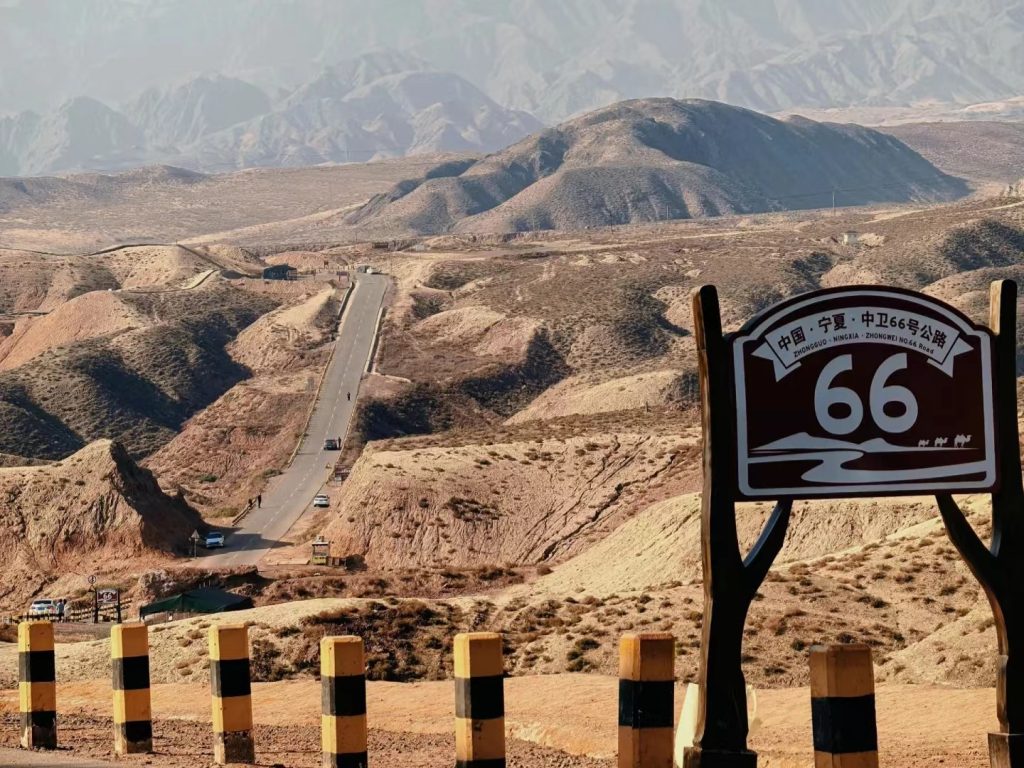
Tucked along the Yellow River in Zhongwei, Ningxia’s own Route 66 winds through undulating valleys and rugged desert terrain. This scenic road stretches endlessly into the horizon, evoking the freedom of classic American road trips—yet with a distinctly Chinese character.

Because of the construction of the Heishuixia Hydropower Station, this stunning route may soon disappear beneath the water’s edge. For now, it remains a symbol of freedom and impermanence—a place where the spirit of adventure runs as wild as the open road itself.

From prehistoric art and imperial tombs to golden deserts and tranquil lakes, Ningxia is a destination that bridges ancient China and the untamed frontier. It’s ideal for travelers seeking authentic China tours, off-the-beaten-path experiences, and things to do in Northwest China that go beyond the usual routes. If your wanderlust craves both mystery and majesty—Ningxia belongs on your travel map.