When people imagine traveling in China, familiar images tend to surface: glittering skylines, neon-lit megacities, misty mountains, and ancient temples tucked into postcard-perfect landscapes. But in China’s far northwest, there is a place that quietly dismantles all of those assumptions. This is not southern waterways or imperial capitals. It is a land of deserts and silence, where the Yellow River cuts through sand, and history lingers without spectacle. This place is Ningxia.
Often described as China’s most un-Chinese destination, Ningxia earns that title not through exaggeration, but through contrast. And once you arrive, the description feels surprisingly precise.
Geography in Contrast | When China Turns to Desert
In Zhongwei, the Tengger Desert unfolds without warning. Dunes rise and fall in soft waves, etched by wind and light. The landscape feels stripped down to its essentials—sand, sky, and space. Then comes the real surprise. The Yellow River, China’s most storied waterway, slices directly through the desert. On one side: shifting dunes. On the other: dense, slow-moving water. Traditional sheepskin rafts drift quietly downstream, as if time itself has loosened its grip.
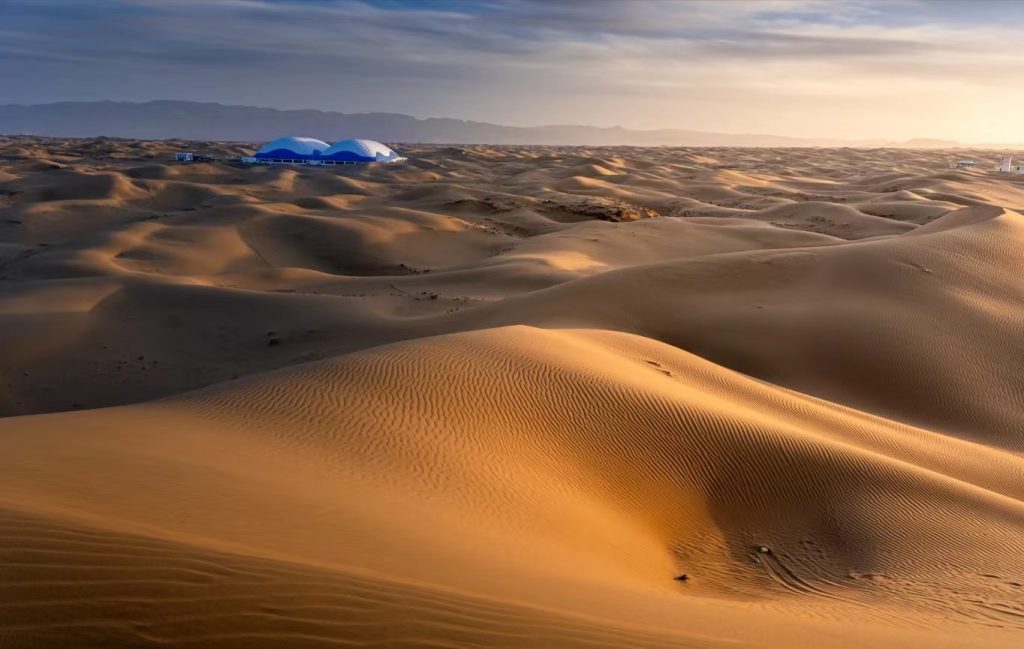
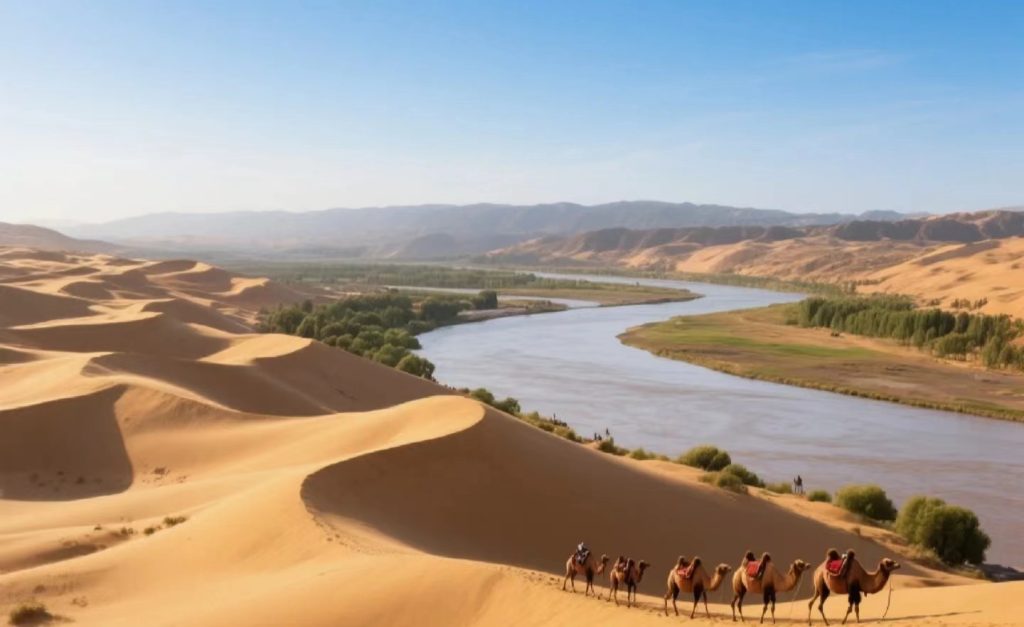
This is not the China most travelers expect. The scenery evokes Morocco’s Sahara, Central Asia’s remote frontiers, or even the national parks of the American Southwest. That sense of unfamiliarity is precisely Ningxia’s appeal. It reminds you how vast—and varied—China truly is. For travelers seeking off the beaten path China travel, this desert-meets-river landscape alone is reason enough to come.
Civilization in Contrast | A Forgotten Empire in the Sand
If the desert delivers visual shock, Ningxia’s history offers something deeper. Outside Yinchuan, beneath the rugged Helan Mountains, a series of earthen mounds rise quietly from the plain. These are the Western Xia Tombs, remnants of a once-powerful dynasty that has nearly vanished from mainstream history.
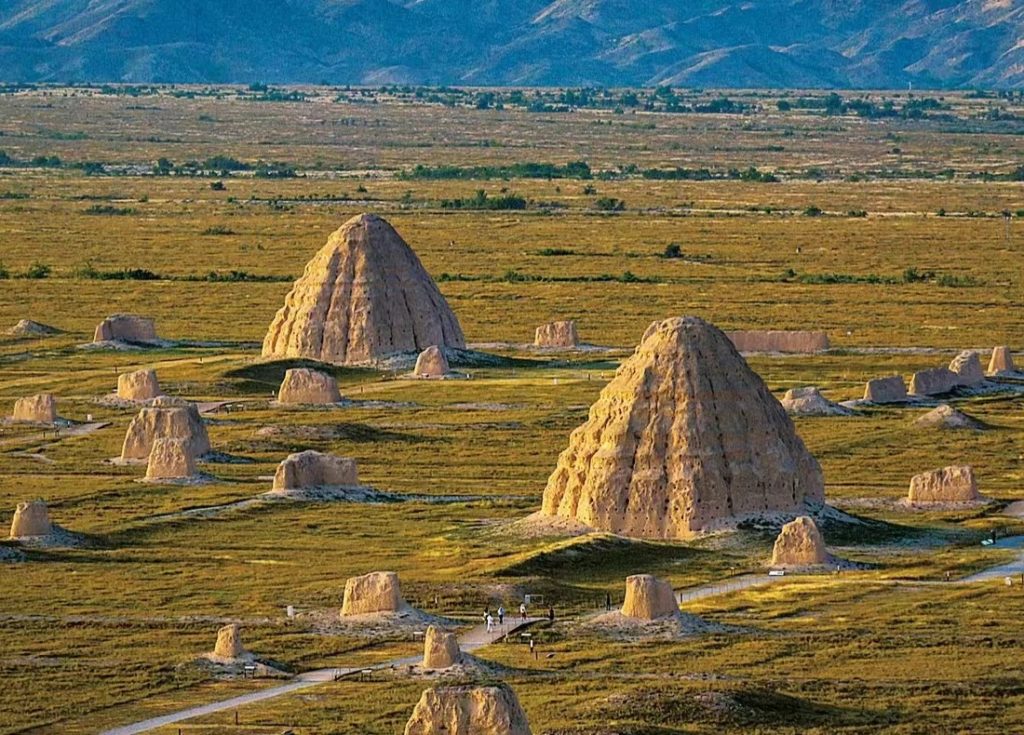
Founded by the Tangut people, the Western Xia Empire once rivaled the Song, Liao, and Jin dynasties and controlled critical Silk Road routes. Yet it left behind no grand palaces, no widely read chronicles—only these silent tombs, slowly reclaimed by wind and dust.
For Western travelers, this story is deeply compelling: a Chinese empire that existed, thrived, and then slipped almost entirely out of global awareness. Walking among the tombs, surrounded by emptiness and sky, the weight of time feels tangible. There are no crowds here. No performances. Just history, eroding quietly.
Atmosphere in Contrast | Space, Silence, and Stillness
What makes Ningxia feel least like China may not be its landscapes or its lost dynasties—but its pace. There is no urban rush here. No constant stimulation. Nights in the desert reveal a sky heavy with stars, the Milky Way clearly visible. Days on the open plain are marked by wind, light, and an acute awareness of your own presence.
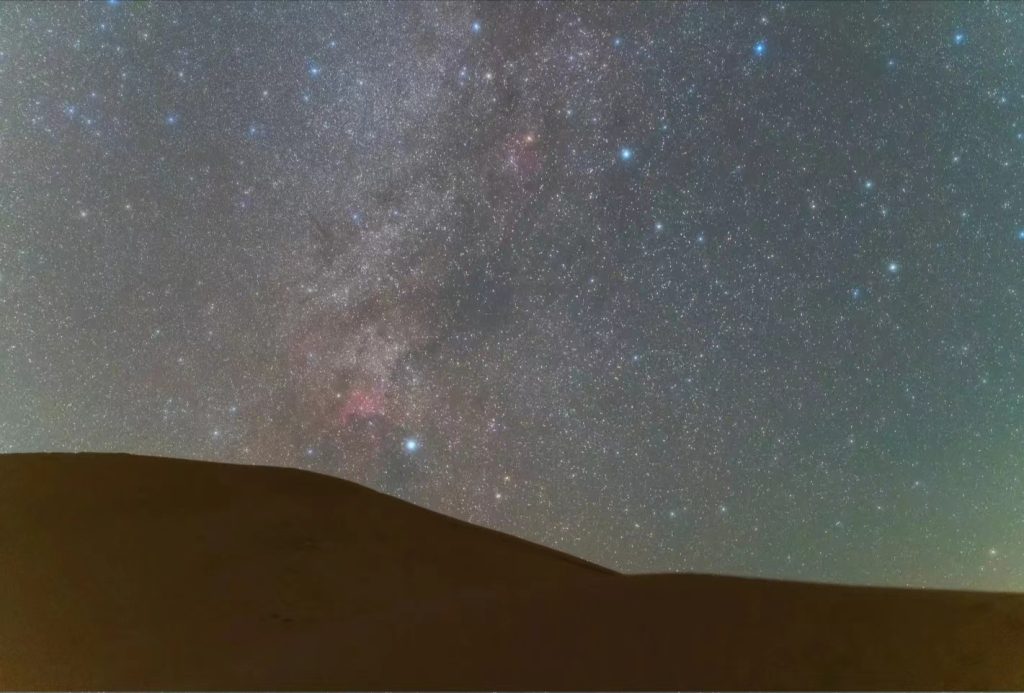
This atmosphere resonates with today’s experienced travelers—those who have moved beyond checklist tourism and are searching for solitude, rawness, and places not yet polished for mass consumption. In Ningxia, travel becomes a form of return: to nature, to slowness, to a more elemental way of seeing the world.
Why Ningxia Deserves Rediscovery
Ningxia is not a destination designed to impress at first glance. It does not perform. It does not compete for attention. Yet it leaves a lasting mark. It challenges the idea that China is a single story. Beyond high-speed rail, skyscrapers, and digital convenience, there still exists a China that is vast, ancient, and unhurried.
If you’ve already explored Beijing, Shanghai, Guilin, or Xi’an—and believe you understand China—Ningxia quietly invites you to reconsider. It may never top the typical China travel guide lists, but it could become the journey you remember most. Here, China is no longer what you imagined it to be. And that is exactly the point.